

 start planning
The Vietnamese Ao Dai: An Elegant Traditional Dress
08
Jun 2024
PUBLISHED
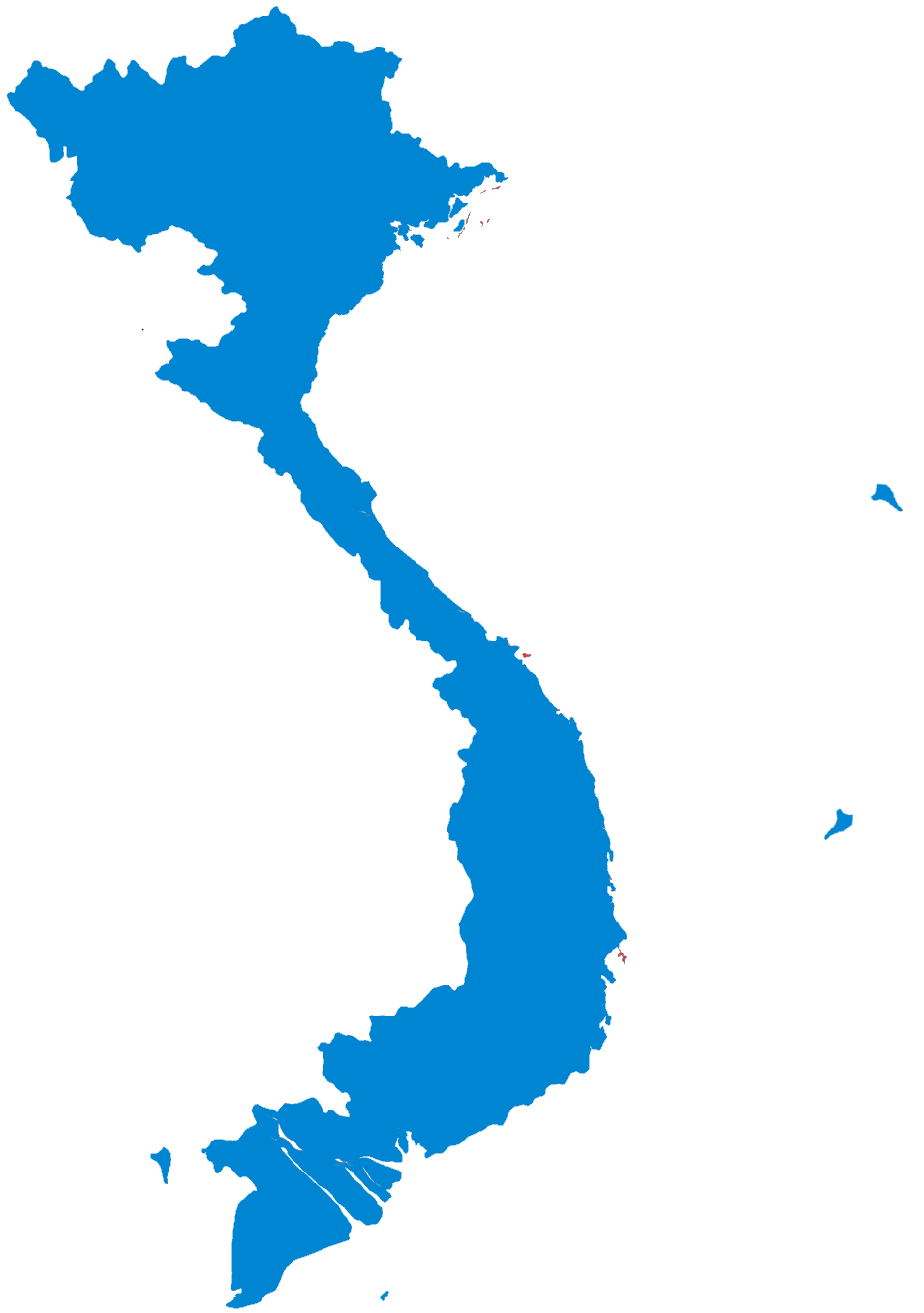
Vietnam

Hanh Nguyen
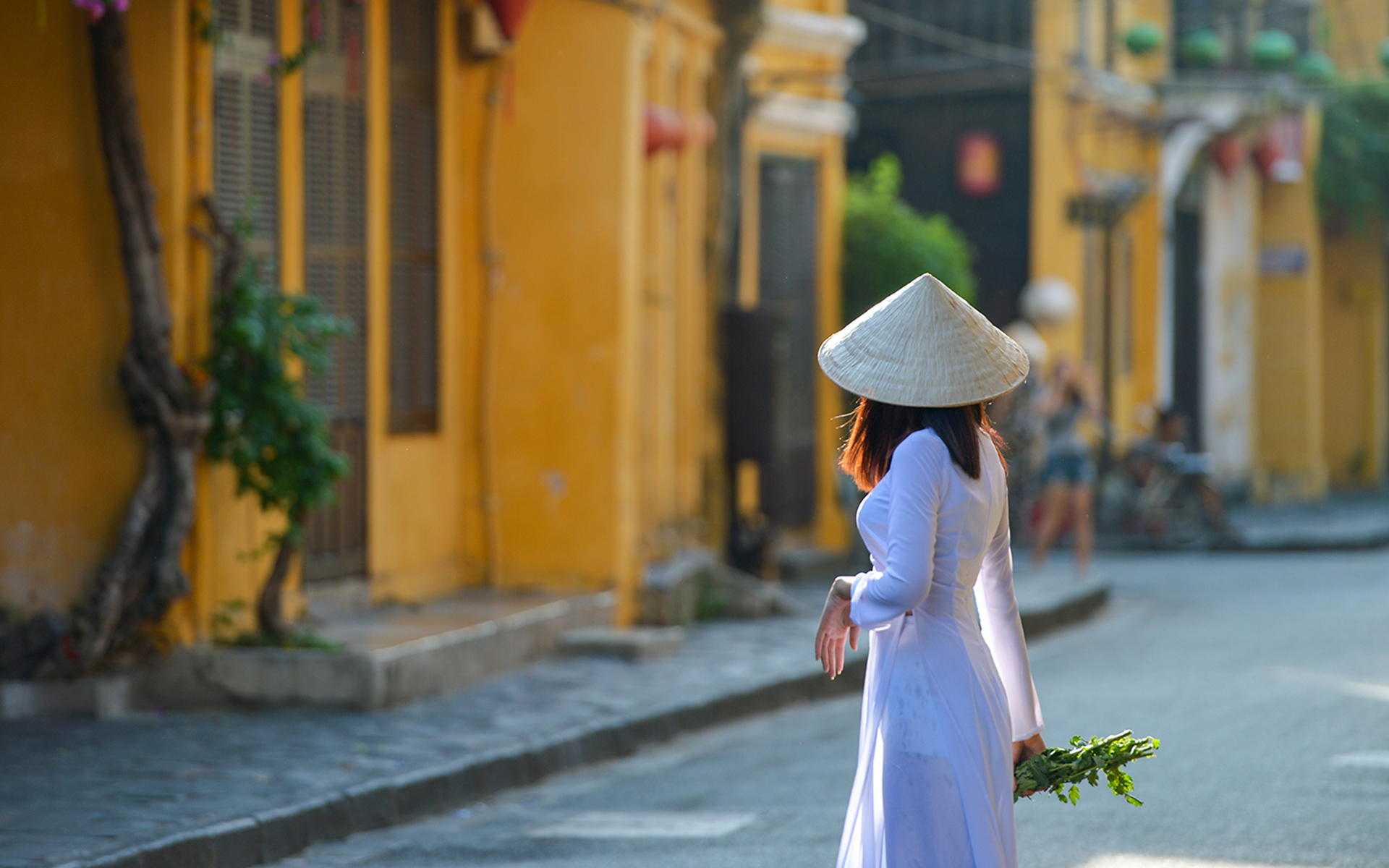
The Vietnamese Ao Dai is more than just a traditional dress; it is a symbol of Vietnamese culture and identity. Its timeless beauty, historical significance, and modern adaptations make it a beloved and iconic part of Vietnam's heritage. Whether seen in daily life or on special occasions, the Vietnamese Ao Dai continues to represent the grace and elegance of Vietnamese women.

The Vietnamese Ao Dai – The Unique Symbol of Vietnamese Culture
Every country around the world has its own specific symbols, culture, and traditions. China, for example, is famous for stunning porcelain, while Japan is known for its advanced electronics. In today's changing society, what best represents Vietnamese identity? A bowl of Pho? The language? Or the conical hat?
Pho has become popular worldwide, and while the Vietnamese language is unique, it is not universally understood. The conical hat is strongly associated with Vietnamese farmers, but few people actually wear them daily. Therefore, the Vietnamese Ao Dai – the Vietnamese national costume – stands out as the most representative symbol of Vietnam.
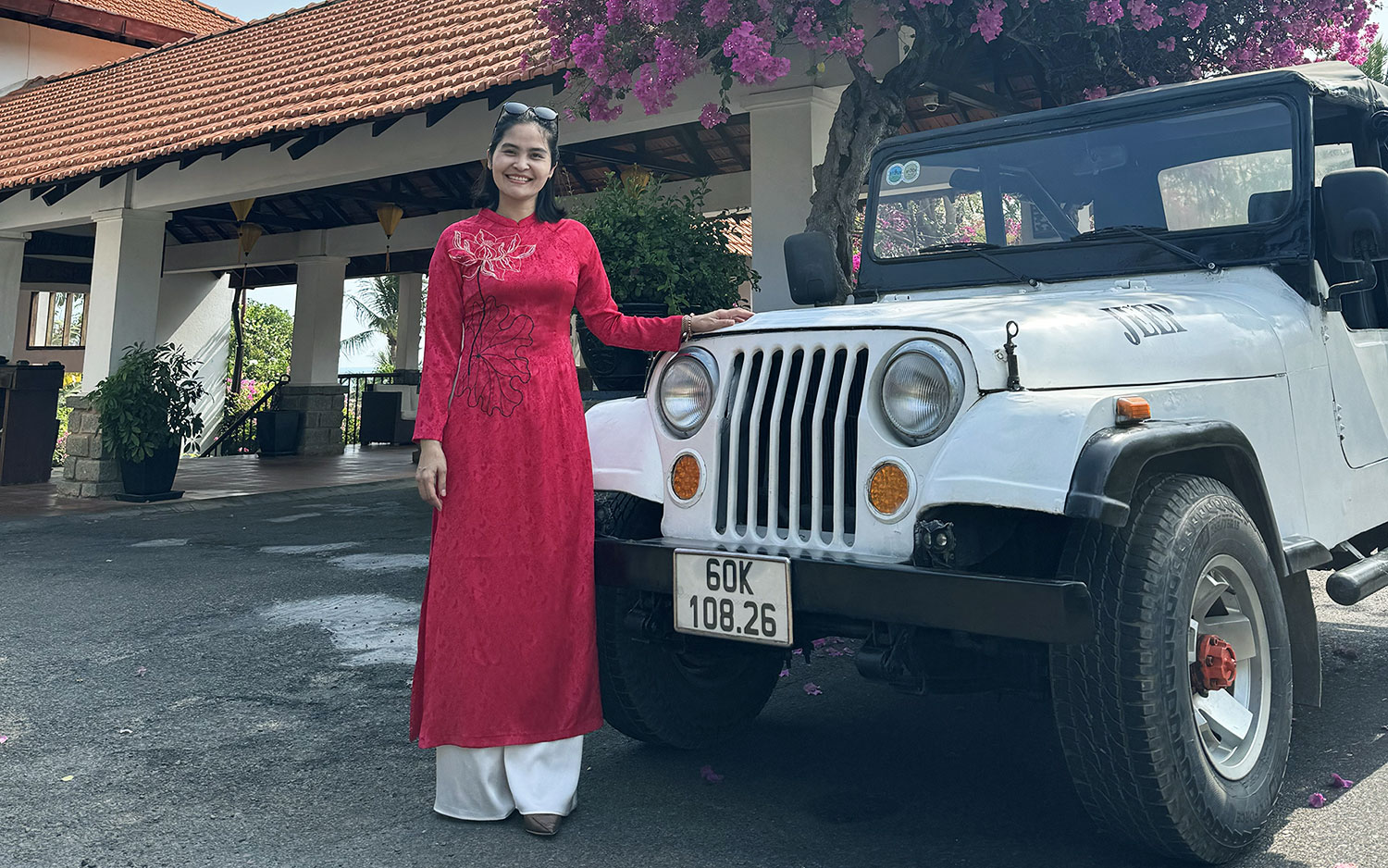
The charm of women in the Vietnamese Ao Dai always impresses foreigners visiting Vietnam for the first time. This beauty is visible everywhere, from graceful schoolgirls to friendly receptionists in airports and hotels. The Ao Dai’s development is intertwined with Vietnam’s long history, making it not just a costume but also the soul of Vietnamese women.
4
mins
reading time
Share this Article from Amasia Travel
A Brief History of the Vietnamese Ao Dai
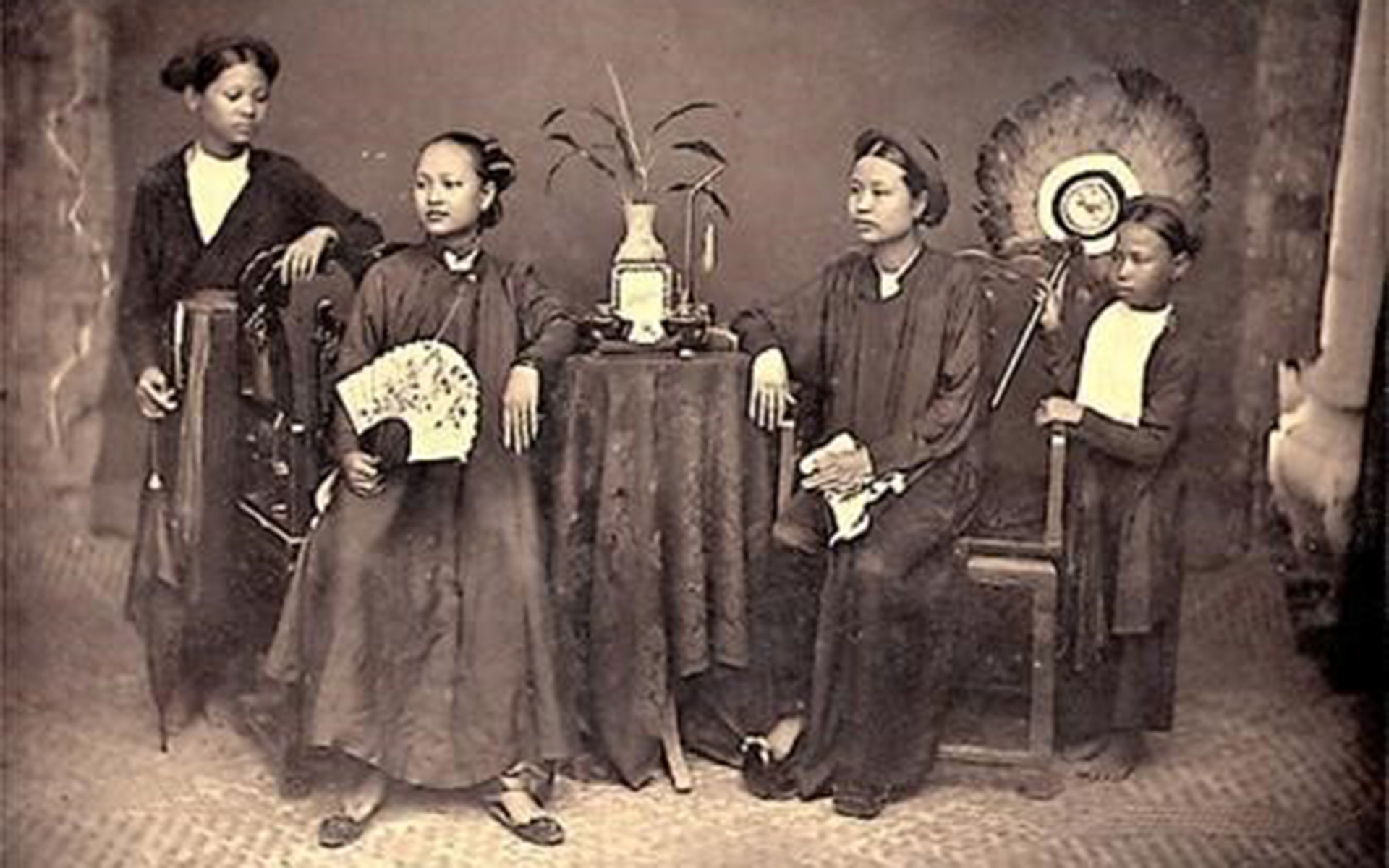
The exact origin of the Vietnamese Ao Dai is unknown, as there is no definitive evidence of where and when it first appeared. Some researchers suggest that the Ao Dai has been worn for thousands of years.
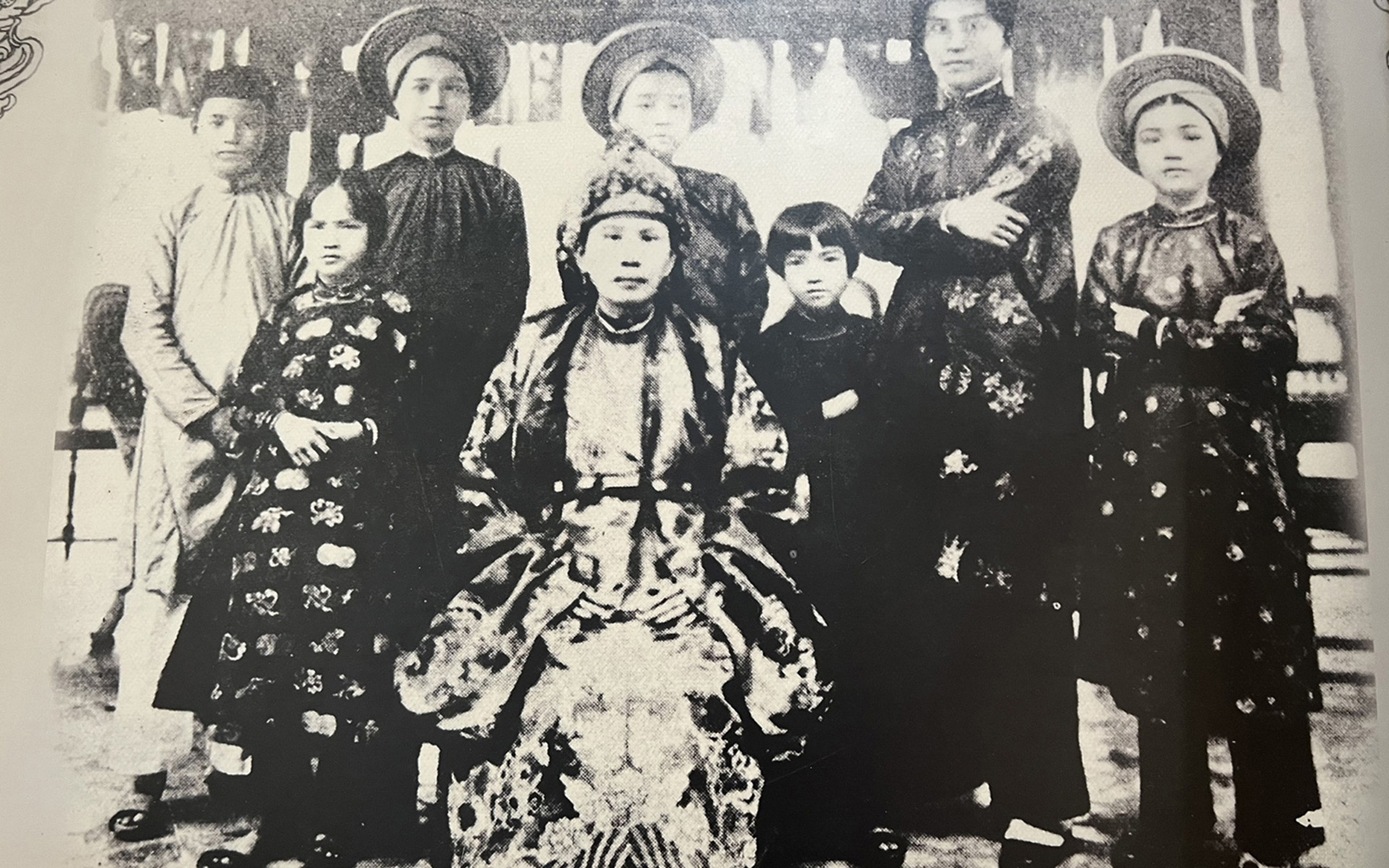
Lord Nguyen Phuc Khoat is considered the pioneer of the Vietnamese Ao Dai. Until the 16th century, Vietnam was heavily influenced by Chinese culture, including clothing styles. To preserve national identity, the Lord decreed that the Ming Chinese style of dress be adopted by his subjects. Since then, both women and men have worn various versions of the Ao Dai.
The Ao Dai was worn widely until 1947, when Vietnam gained independence. The government launched a campaign to combat poverty and illiteracy. On March 20, 1947, Uncle Ho wrote "New Life" (Đời Sống Mới) and advised people to stop wearing the Ao Dai for two reasons. Firstly, it used more material than regular clothes, and secondly, it was not convenient for movement or work. By switching to regular clothes, people could save 200 million Dong per year. As a result, the Ao Dai was not worn in Northern Vietnam for a long time.

Why Does the Vietnamese Ao Dai Flatter Every Wearer?
The traditional white Ao Dai looks demure and elegant, emphasising the hidden glamour of the costume – perfect for Eastern cultural values.
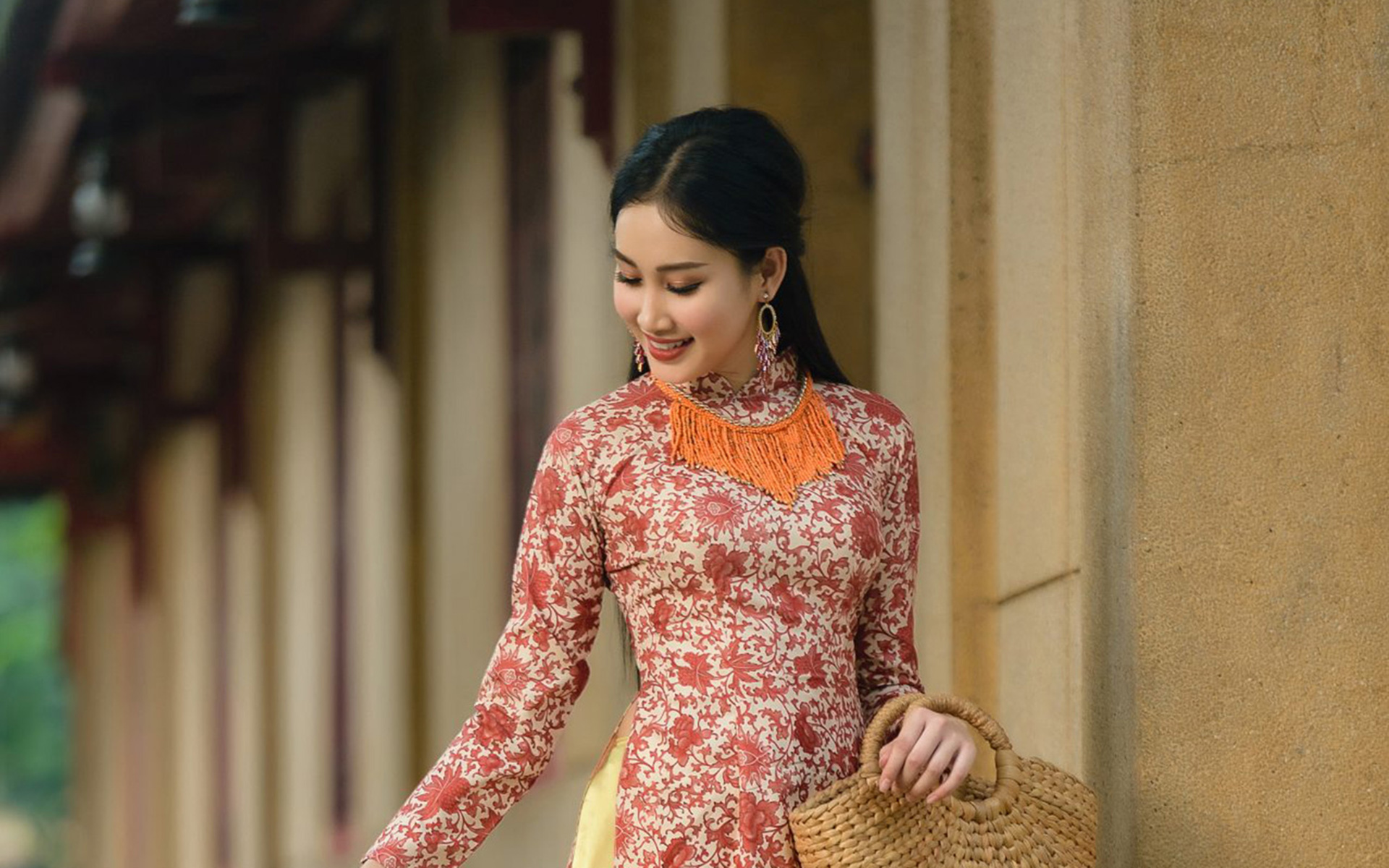
The Ao Dai is usually custom-made. Its tight-fitting bodice at the chest, back, and waist, with a line of buttons on the right side, covers the body completely while highlighting the wearer’s figure in a feminine and impressive way. The dress covers the body suitably but still showcases natural shapes and curves, making the wearer look dainty, charming, and attractive. An old Vietnamese saying sums it up perfectly: “the Ao Dai covers everything but hides nothing.”
The colour of the Ao Dai indicates a woman’s age and status. Young girls wear white Ao Dai to represent their purity, while older but unmarried women look beautiful in soft pastel shades. Married women often choose Ao Dai in strong, rich colours. The Ao Dai is standard attire for many national holidays and formal occasions, such as New Year’s Day, weddings, graduations, and important competitions. It is often preferred for TV appearances and major events as it enhances the beauty of women.
Recently, the Vietnamese Ao Dai has been modernised with various innovations, blending traditional cultural values with modern fashion elements. This has given the Ao Dai a distinctive presence in beauty contests, formal festivals, and international fashion weeks. Many reputable Ao Dai designers, such as Sy Hoang, Minh Hanh, La Hang, and Vo Viet Chung, have contributed to the global recognition of the Ao Dai as a cultural symbol of Vietnam.
Contents: Amasia Travel
Photos: Internet, Amasia Travel

RELATED ARTICLES

Newsletter
Join our mailing list to receive the lastest updates and travel inspiration

Amasia Travel
17/135 Hoang Nhu Tiep
Bo De, Hanoi
Vietnam
| Email: | info@amasiatravel.com |
| Tel: | +84 24 3872 1656 +84 24 3872 6797 |
| Fax: | +84 24 3872 5045 |
| Mob: | +84 913 515 279 |
| Us: | +1 202 970 8978 |
International Tour Operator license No: 0919/TCDL
Copyright © 2004 - 2026 Amasia. All rights reserved. A division of Amasia DMC.