

 start planning
Tet – Vietnamese Lunar New Year
31
Dec 2022
PUBLISHED
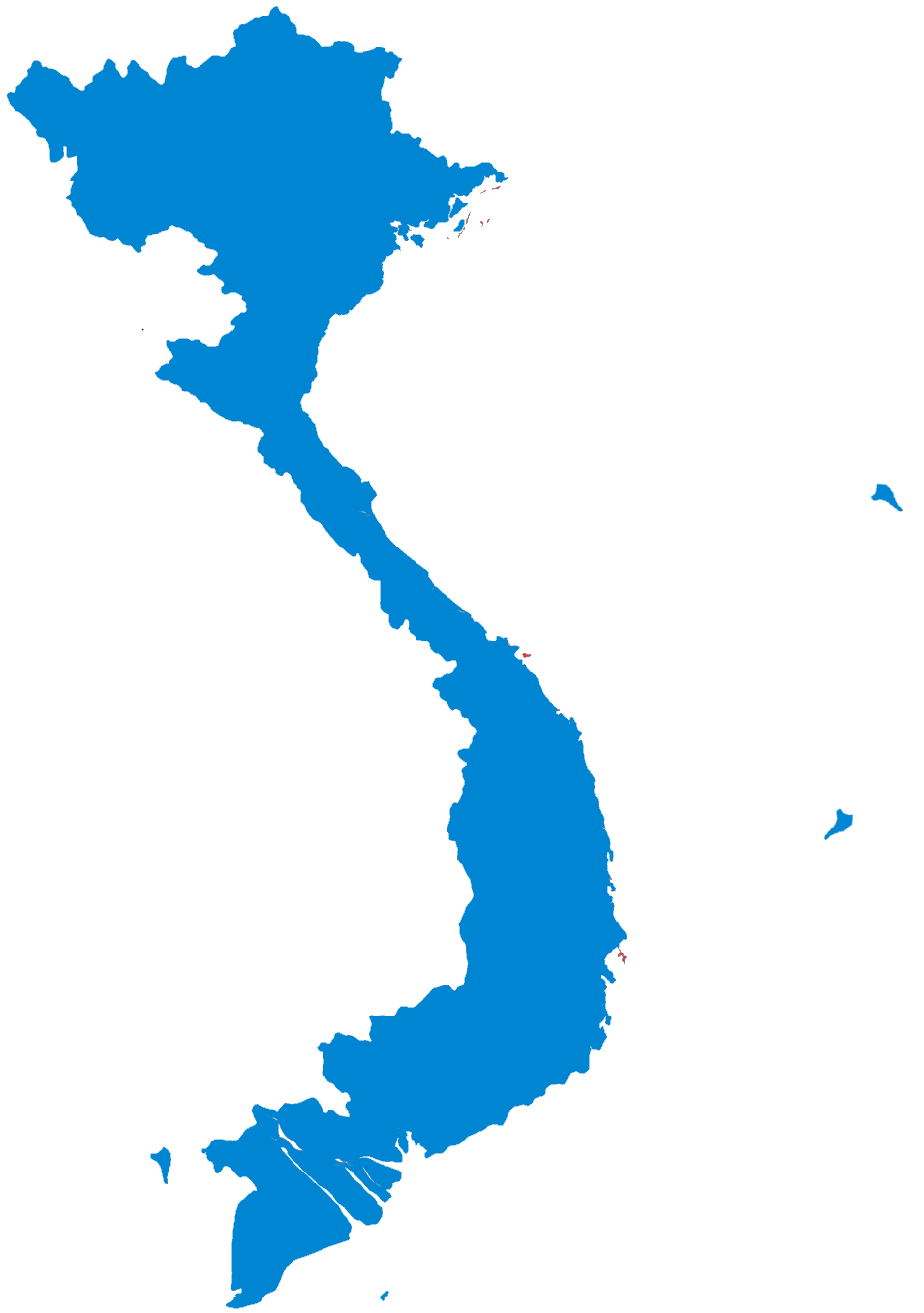
Vietnam

Amasia
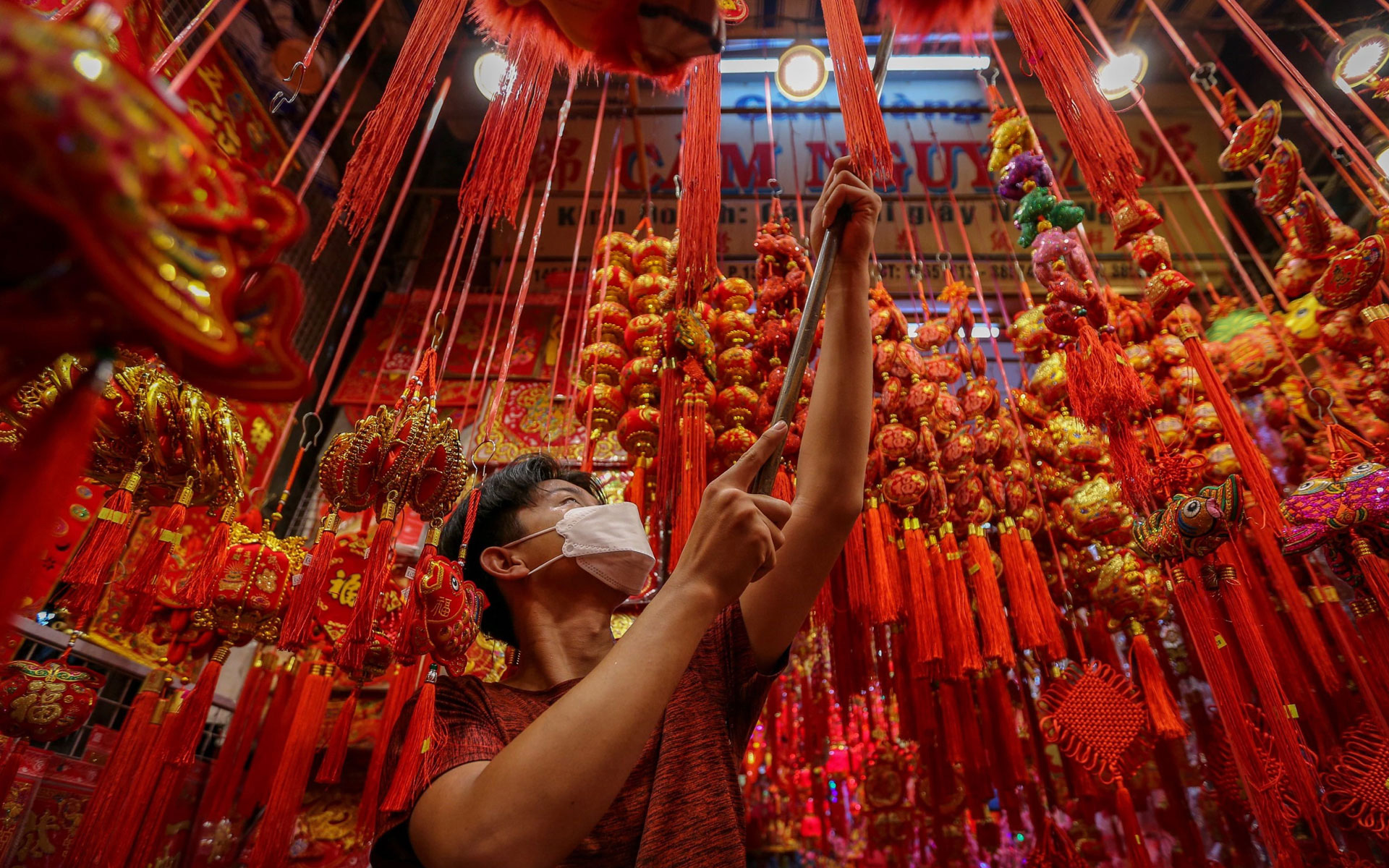
The Vietnamese Lunar New Year, or Tet Nguyen Dan, is one of the most important holidays in Vietnam. Tet – days of rest after a full hard-working year. So how do Vietnamese celebrate the Lunar New Year in Vietnam?
What Is Tet – The Vietnamese Lunar New Year?
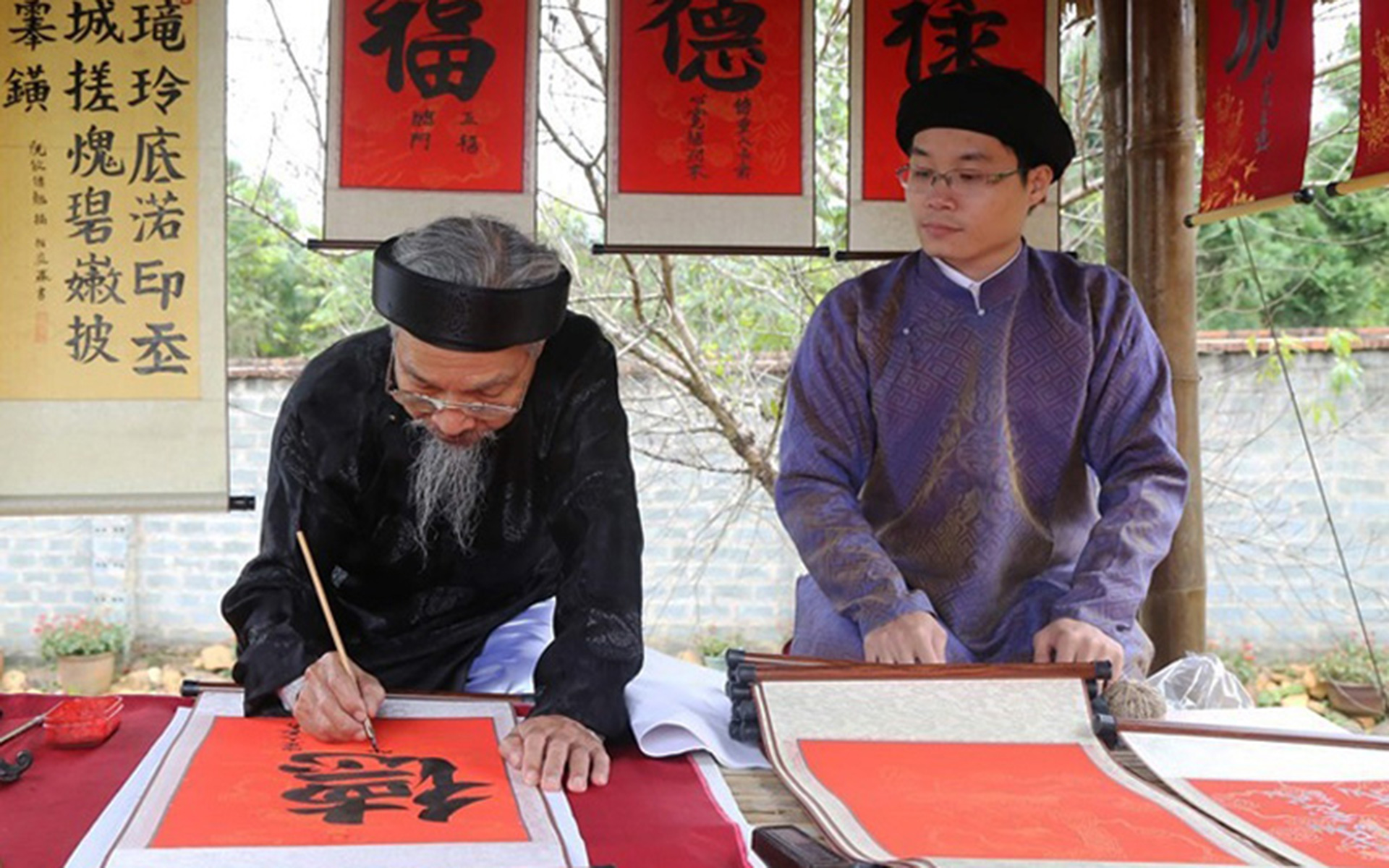
Tet also known as the Vietnamese Lunar New Year is the most important and anticipated event on the Vietnamese calendar. It is a time for families to come together, exchange gifts, and partake in customary traditions and activities together. The celebration of Tet officially begins on the first day of the first month of the Vietnamese Lunar Calendar. It is celebrated over a period of three days, with each day carrying its own special significance and activities. During this time, it is not uncommon to see people participating in a wide variety of traditional customs and activities, from visiting elders and spending time with family, to making and hanging up decorations.
A Little History of Tet
The Vietnamese Lunar New Year (also known as Tet Nguyen Dan, Tet Ca, Tet Ta, Traditional New Year or simply Lunar New Year) is heavily influenced by the Chinese Lunar New Year. However, due to the differences between the Vietnamese lunar calendar and the Chinese one, the Vietnamese Lunar New Year sometimes does not completely coincide with the Chinese New Year or with other countries influenced by Chinese culture.
The origin of Tet (Tet Nguyen Dan) is still contested, yet most evidence points to the Lunar New Year having originated in China before being introduced to Vietnam during the 1000 years of northern domination. According to Historian Tran Van Giap, the “Lunar New Year” day in Vietnam can be traced as far back as the early 1st century AD, predating even the Northern dynasty. The Tet holidays in Vietnam and China have mutually influenced each other, each preserving its unique cultural characteristics.
4
mins
reading time
Share this Article from Amasia Travel
Traditions and Customs of The Vietnamese Lunar New Year
Lunar New Year is a time of celebration and renewal, during which people remember their ancestors and celebrate the coming of a new year. The traditions and customs upheld during this season are incredibly important to the Vietnamese people and hold spiritual and cultural significance. During this time, people participate in a variety of activities and traditions, such as:
Preparing for the Vietnamese Lunar New Year
It is customary for families to start preparing for Tet in the weeks leading up to the holiday. Preparations include cleaning the home and the purchase of traditional decorations and food for the celebration. It is also common for people to buy new clothes for the new year.
Visiting Family and Friends During Tet
During Tet, it is customary for families to visit their elders and give gifts. This is a way of showing respect to the elders and also symbolizes the continuation of the family line. Tet is also a time for visiting friends, relatives, and neighbours, exchanging best wishes for the New Year, and offering small presents.
Gift Giving and Its Significance in Tet
Gift giving is an important part of Tet. People often exchange gifts such as fruits, flowers, and candies. It is also traditional for employers to give their employees money or presents, as a symbol of appreciation.
Decorating Homes and Streets for Tet
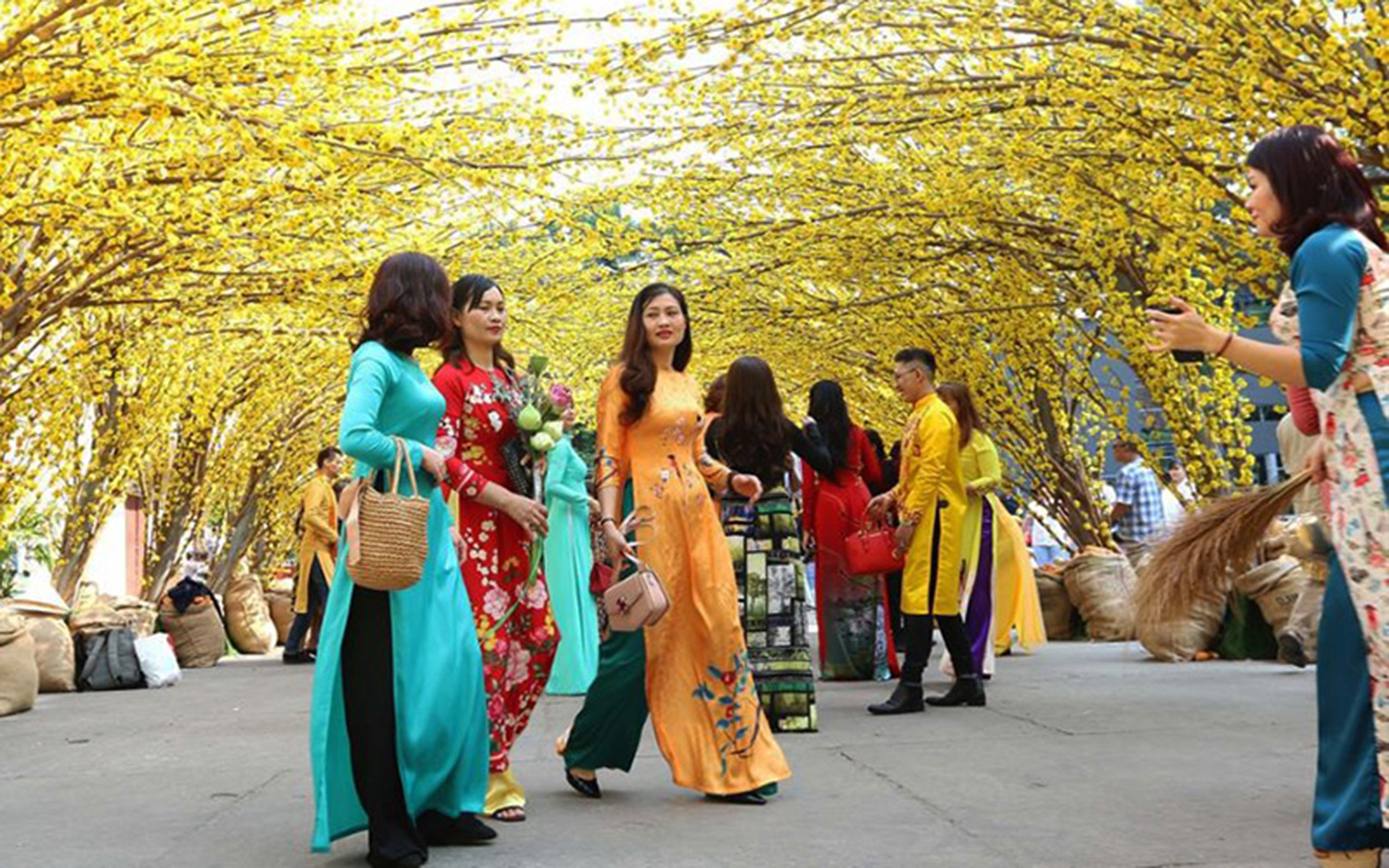
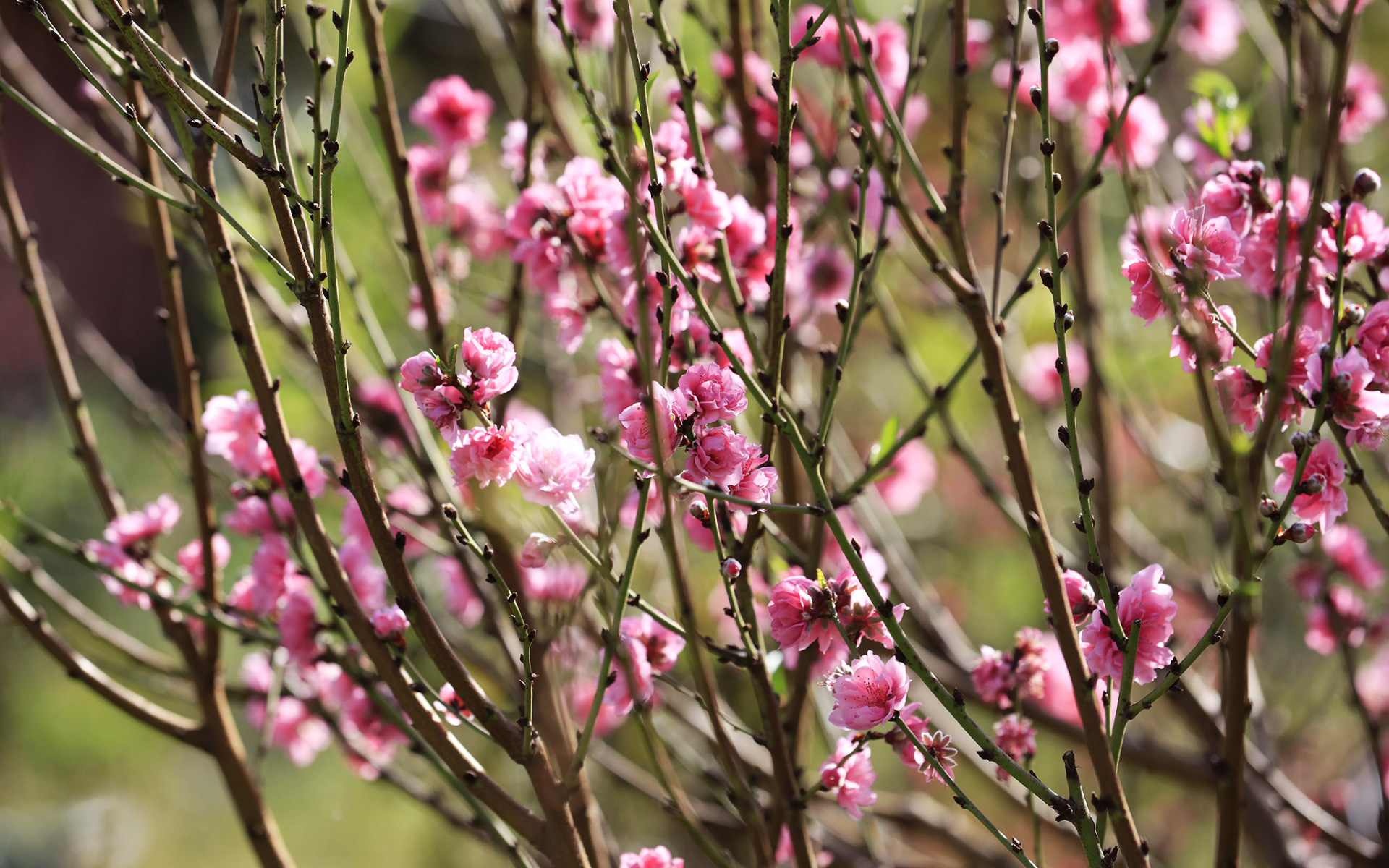
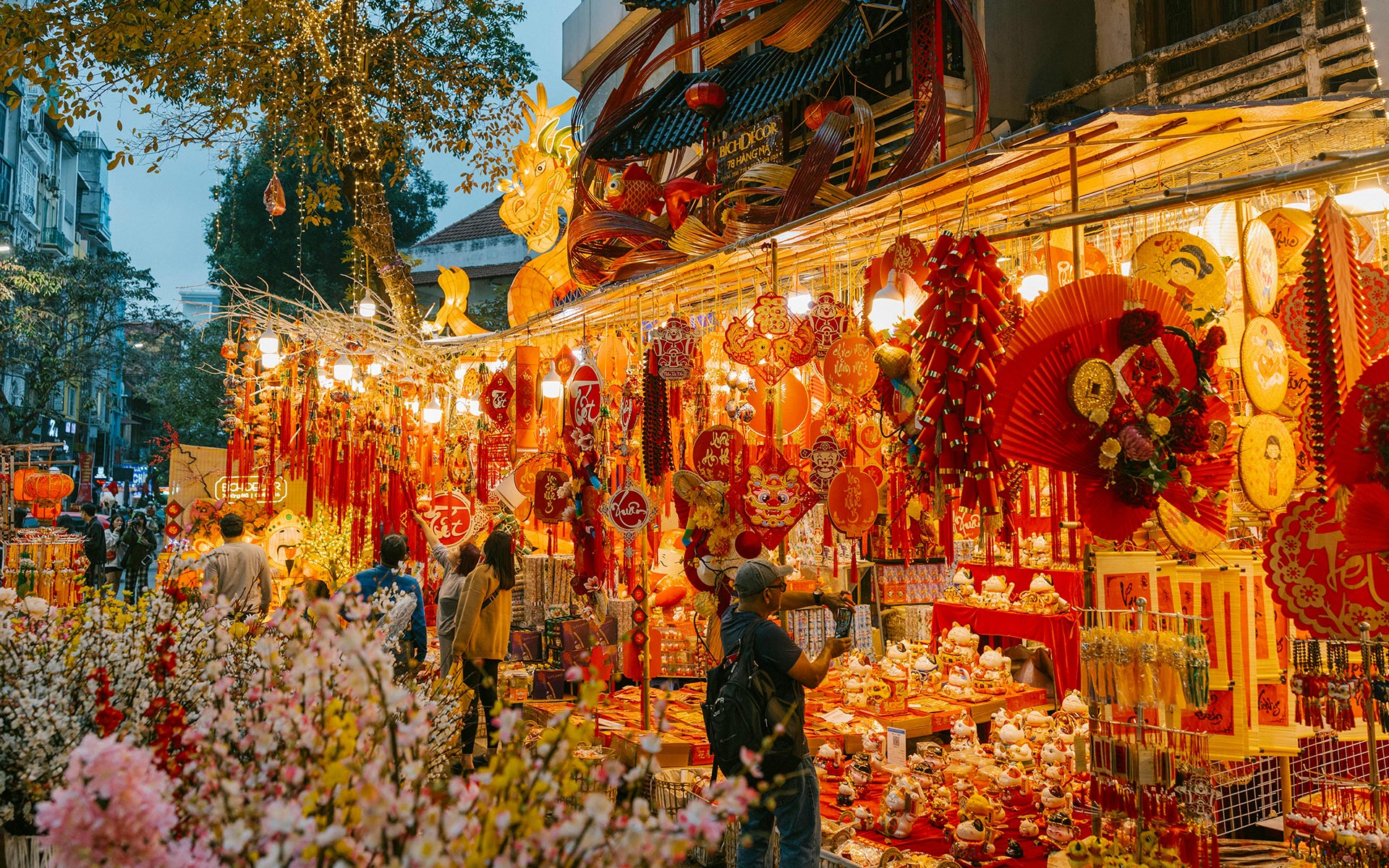
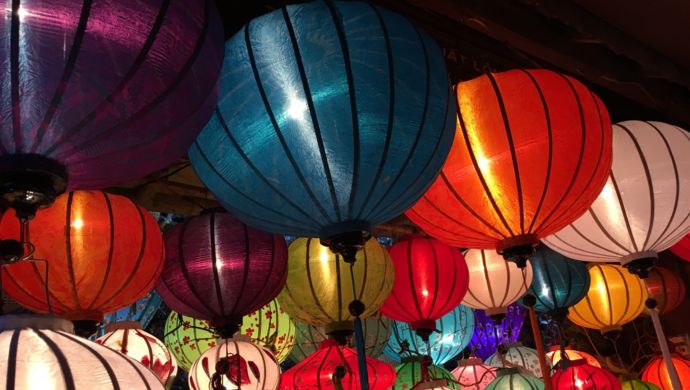
Another part of preparing for Tet is the decoration of homes and businesses. Streets and shop fronts are often decorated with lanterns, trees and flowers, banners, and various signs of good luck and prosperity. At Lunar New Year, Vietnamese decorate every house with Ochna integerrima Hoa Mai) in the central and southern parts of Vietnam, Peach blossom (Hoa Đao) in the northern part of Vietnam or Hoa Ban in mountain areas. The kumquat tree is a popular decoration for the living room during Tet.
Traditional Vietnamese Food During Tet
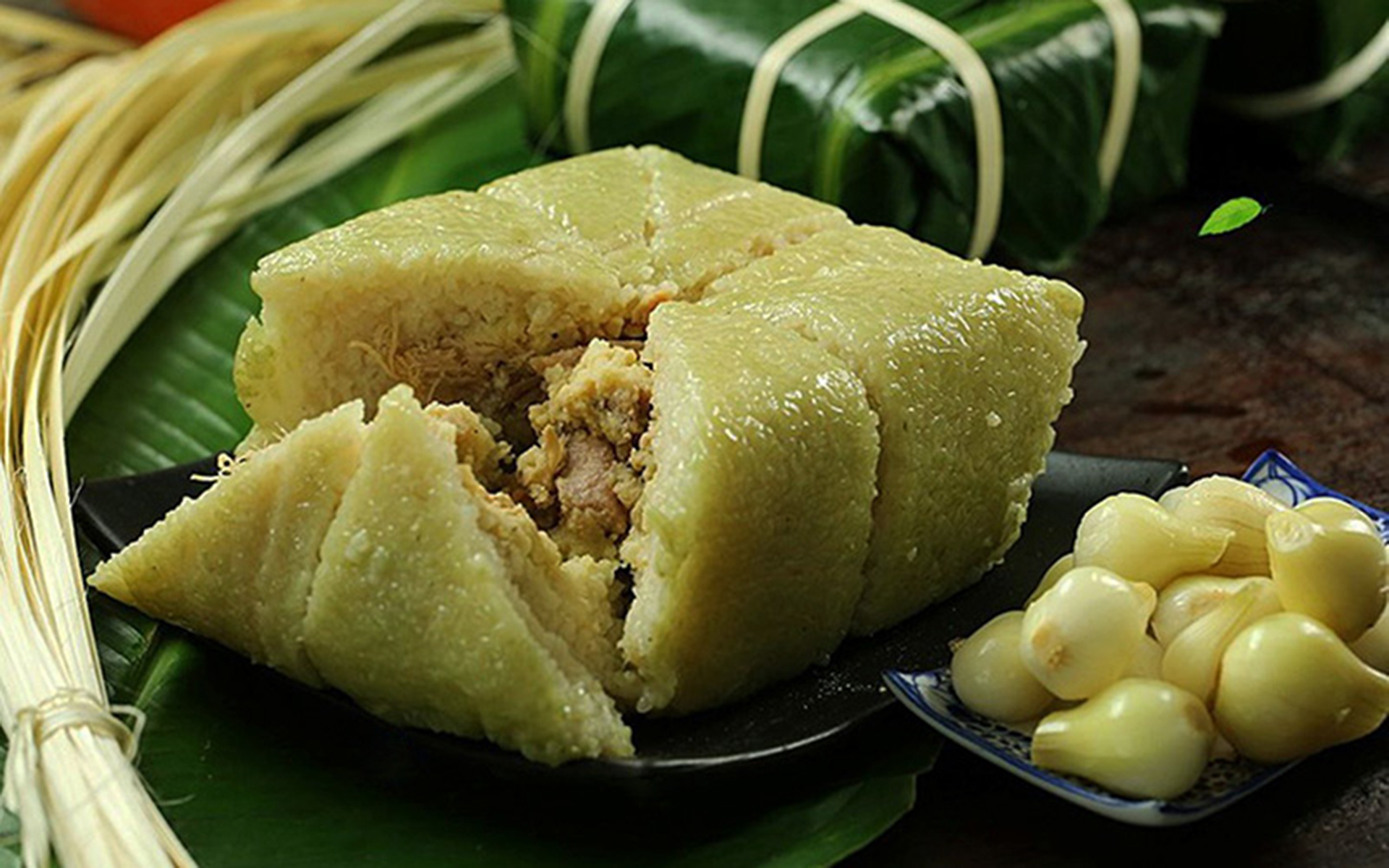
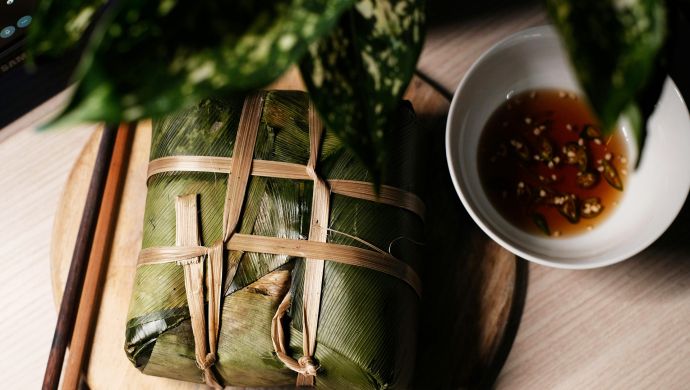
One important aspect of Tet is the food. Meals served during this time are typically large, with many courses. Dishes such as Spring rolls (Nem), Sticky rice cakes (Banh Chung), Pickled onions, Boiled chicken, and boiled lean pork sausage (Gio Cha) are often served. Each of these dishes is essential to creating a traditional Lunar New Year feast.

RELATED ARTICLES

Newsletter
Join our mailing list to receive the lastest updates and travel inspiration

Amasia Travel
17/135 Hoang Nhu Tiep
Bo De, Hanoi
Vietnam
| Email: | info@amasiatravel.com |
| Tel: | +84 24 3872 1656 +84 24 3872 6797 |
| Fax: | +84 24 3872 5045 |
| Mob: | +84 913 515 279 |
| Us: | +1 202 970 8978 |
International Tour Operator license No: 0919/TCDL
Copyright © 2004 - 2026 Amasia. All rights reserved. A division of Amasia DMC.